Practice · 6 min read · January 2026
Meditation at the Sink
Thích Nhất Hạnh wrote that you should wash dishes to wash dishes, not to have clean dishes. I read that years ago and thought I understood. But understanding intellectually and understanding through practice are different things entirely.
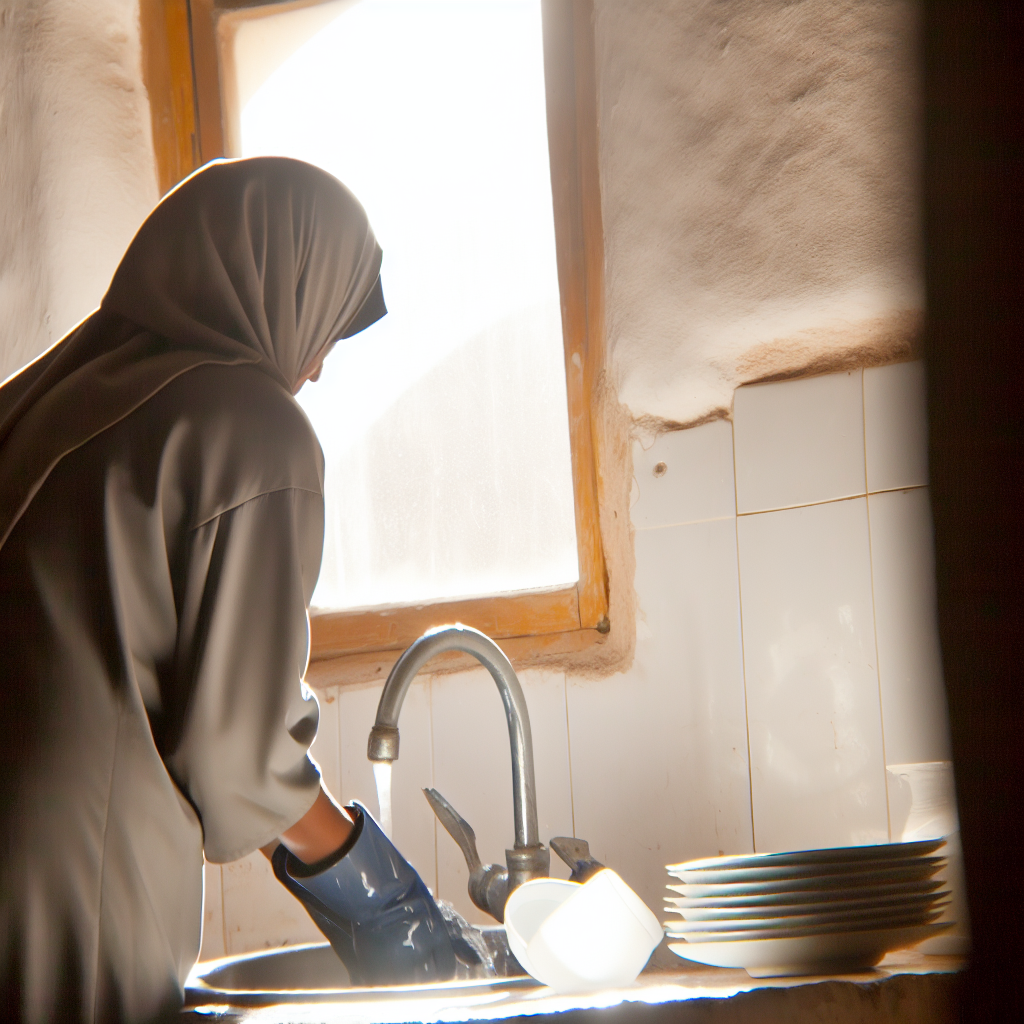
I learned the difference standing at my kitchen sink on a Tuesday evening, washing the dinner plates.
For most of my life, I've washed dishes while thinking about what comes next. Planning tomorrow. Replaying conversations. Making mental lists. The dishes got clean, but I was never really there for the process.
Then I tried an experiment. For one week, I would wash dishes with full attention. No podcast. No planning. Just washing dishes.
The first day was nearly unbearable. My mind fought against the simplicity of the task. "This is boring. This is wasting time. You could be doing something productive while doing this."
But I stayed with it. Felt the warm water. Noticed the weight of each plate. Observed how soap bubbles catch light. Paid attention to the simple mechanics of cleaning: wet, soap, scrub, rinse.
"The task itself didn't change. My relationship to it did."
By day three, something shifted. The resistance quieted. I found I could just be there, hands in warm water, doing one thing at a time. Not thinking about it. Not resisting it. Just doing it.
By day seven, washing dishes had become something I looked forward to. Not because I love clean dishes, but because those ten minutes at the sink were the most present moments of my day.
The task itself didn't change. My relationship to it did.
I've kept the practice. Most evenings, I wash dishes by hand even though I have a dishwasher. Not out of virtue or environmental concerns, but because I've discovered that mundane tasks can be meditation if you let them.
You don't need a cushion or a quiet room or special training. You just need to be willing to do one thing at a time. To let washing dishes be enough. To resist the compulsion to be somewhere else, mentally, while your hands are here.
This has spread to other tasks. Folding laundry. Sweeping floors. Chopping vegetables. Activities I used to rush through or pair with podcasts have become opportunities for presence.
Not every time. I'm not a monk. Some days I wash dishes while talking on the phone or thinking about work. But more and more, I find myself willing to just be where I am, doing what I'm doing.
The paradox is that being present doesn't make time slow down. It makes it expand. Ten minutes of mindful dishwashing feels more substantial than an hour of distracted scrolling.
Thích Nhất Hạnh was right. You wash dishes to wash dishes. And in doing so, you practice being alive to this moment, this task, this life you're actually living.